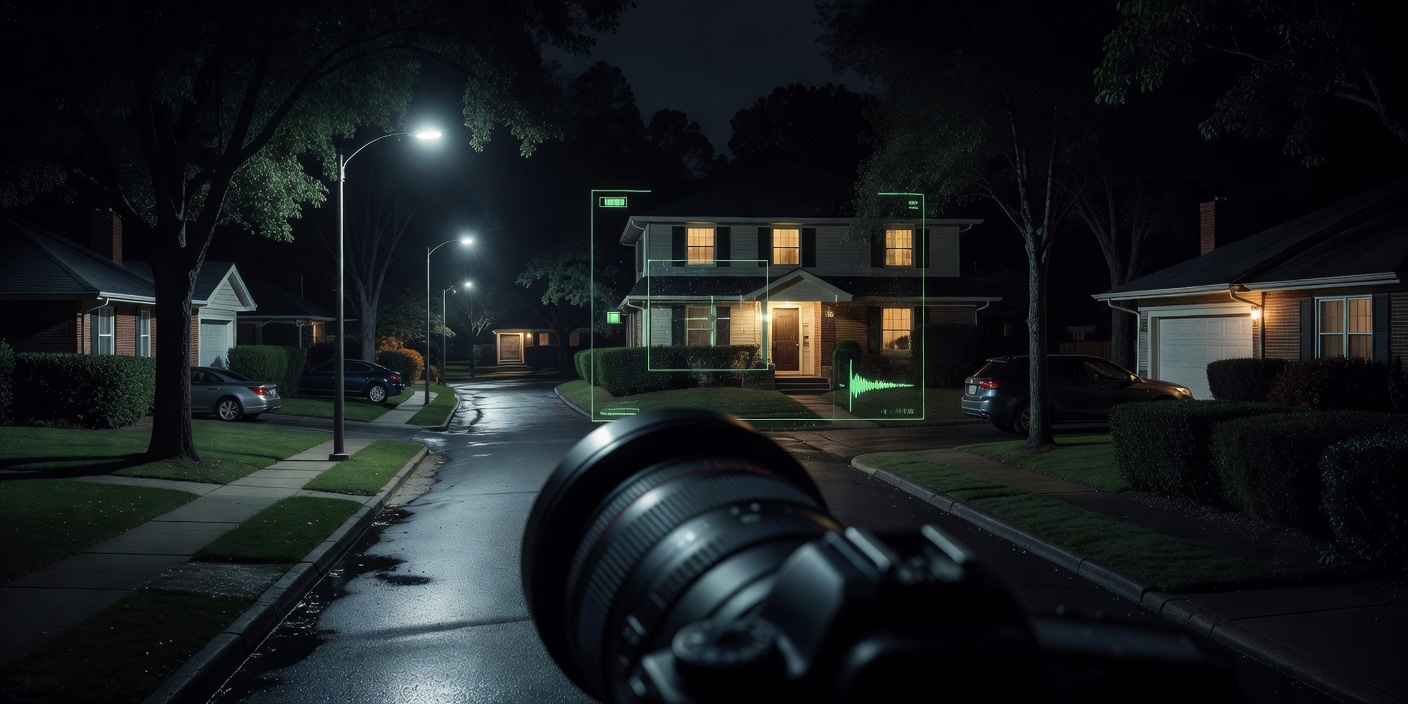
Doorbell cameras were installed to deter parcel thieves and identify delivery drivers. In an ironic twist of digital culture, millions of connected suburban lenses have inadvertently birthed an unscripted reality television franchise viewed by hundreds of millions worldwide.
The Unintentional Masterpieces of Front Porch Cameras
Whether capturing a nocturnal raccoon tripping over a ceramic gnome, a neighborhood dispute over stray lawn clippings, or a grocery delivery courier bursting into an impromptu operatic aria, Ring and Nest cameras provide raw, unfiltered humanity that polished studio productions cannot recreate.
Curator accounts collecting front-porch clips routinely gain millions of followers faster than traditional media brands. The fish-eye lens distortion, the muffled microphone compression, and the timestamp watermark have become recognized stylistic tropes of 2026 comedy.
"The doorbell camera is the accidental successor to America's Funniest Home Videos, but with 24/7 autonomous surveillance and zero television network censors."
Privacy, Surveillance Ethics, and Consent Debates
While audiences find the clips amusing, legal and ethical dilemmas continue to mount. Many subjects captured in these videos—often delivery workers, confused neighbors, or teenagers playing harmless pranks—never provided consent to have their faces broadcast to global algorithmic feeds.
- The Viral Privacy Gap: 84% of viral doorbell video subjects are unaware they were recorded until relatives notify them of trending status.
- Legislative Scrutiny: Multiple municipal jurisdictions in Europe and the UK have introduced restrictions on public sidewalk surveillance monetization.