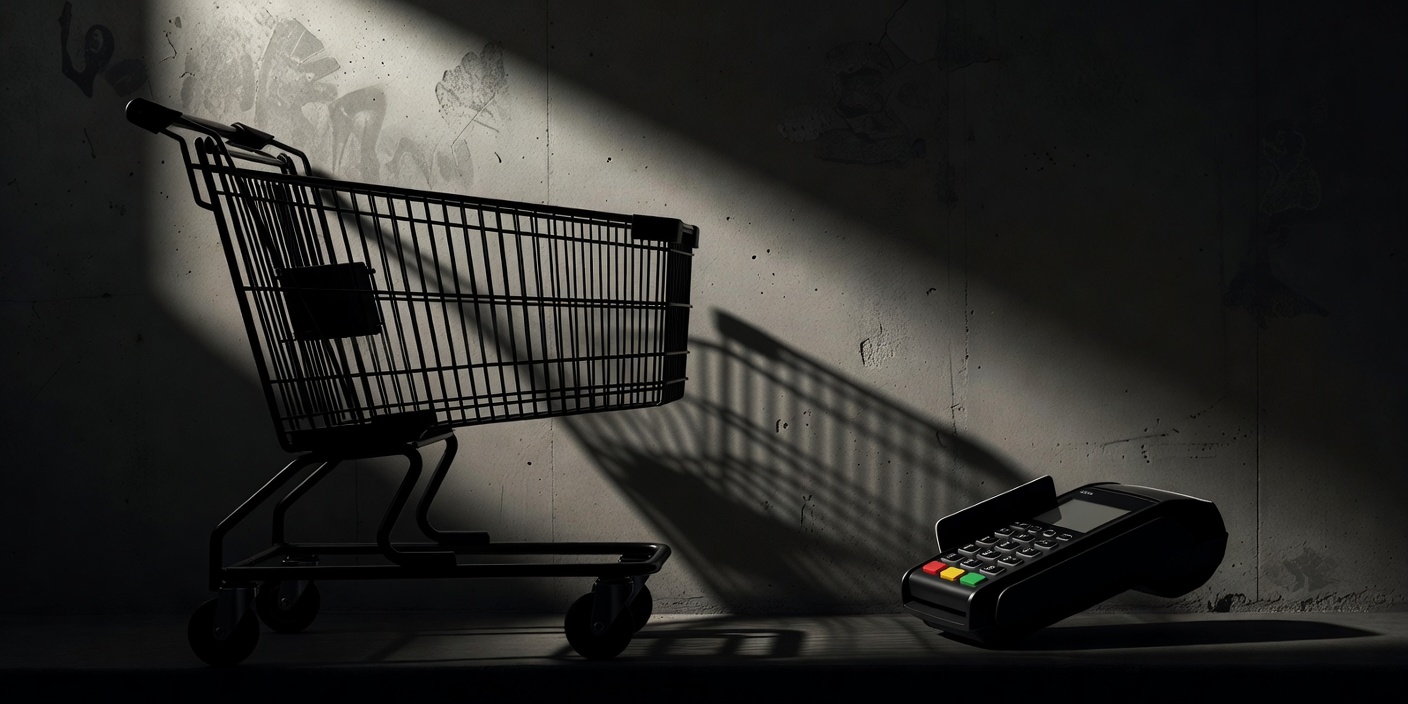
The initial wave of de-influencing was gentle: creators sat in front of their ring lights politely explaining why you didn't need another 40-ounce insulated tumbler. In 2026, politeness is gone; de-influencing has mutated into biting, surrealistic performance theater.
The Death of the Traditional Paid Sponsorship
Internet users developed acute radar for subtle product placements. Whenever an influencer begins a video with casual storytelling that pivots into a sponsored skincare tube at minute 1:30, viewers instantly reject the transaction.
In response, an entire subculture of anti-consumerist comedians has emerged. They purchase trending $200 gadgets specifically to dismantle them on camera, test their exaggerated claims in mock-scientific stress tests, and ridicule the psychological marketing techniques used by fast-fashion labels.
"Audiences aren't just tired of ads; they actively crave the comedic dismantling of false corporate promises."
The Financial Repercussions for Direct-To-Consumer Brands
| Metric Measured | 2022 Baseline | 2026 Measured | Shift % |
|---|---|---|---|
| Cost Per Conversion on Viral Skincare | $14.20 | $48.50 | +241% |
| Negative Sentiment in Brand Comments | 8.1% | 31.4% | +287% |
| Share Ratio of Parody Reviews vs Official Ads | 1.2 : 1 | 14.8 : 1 | +1,133% |
- The Satirical Backlash Risk: Launching an aggressive influencer seeding campaign now carries the active hazard of becoming the target of an anti-consumerist parody storm.
- Radical Transparency Wins: Brands that honestly describe their limitations and avoid inflated pseudo-scientific buzzwords perform 4x better in modern community audits.